

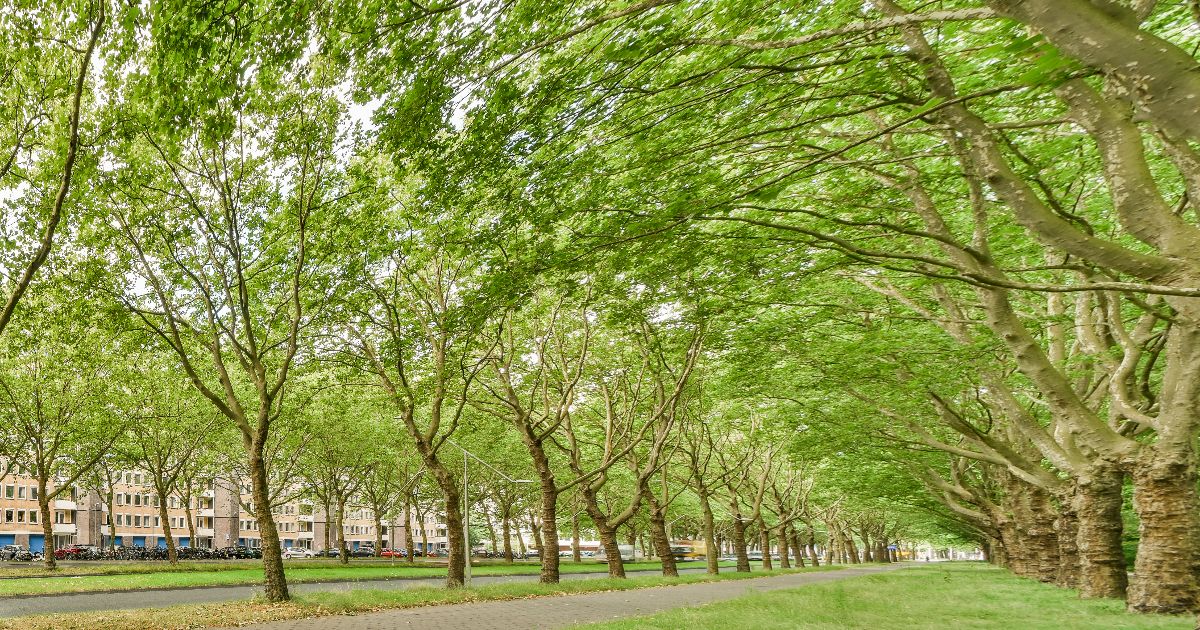
What is The 3-30-300 Rule For Urban Forestry?
The 3-30-300 rule for urban forestry is a simple way to plan healthier cities with more trees.
It sets three clear goals for tree coverage, canopy, and access to green space.
This rule helps cities improve shade, air quality, and quality of life.
What Does the 3-30-300 Rule Mean?
The 3-30-300 rule breaks urban forestry into three easy targets:
- 3 trees: Every person should see at least 3 trees from their home
- 30% canopy: Every neighborhood should have at least 30% tree canopy cover
- 300 meters: Every person should live within 300 meters of a park or green space
The rule means more trees around you, more shade over your neighborhood, and a park close by.
This concept helps city planners, homeowners, and developers make better decisions. It keeps tree planning simple and measurable.
Importance of The 3-30-300 Rule
The 3-30-300 rule is important because trees improve daily life in many ways.
Here is what it helps with:
- Lower temperatures: Trees provide shade and reduce heat
- Better air quality: Trees filter pollution
- Storm protection: Trees can reduce the impact of wind and flooding
- Mental health: Green spaces reduce stress
- Property value: Homes with trees often sell for more
More trees make cities cooler, cleaner, and healthier.
The 3-30-300 Rule in Florida
The 3-30-300 rule in Florida is even more important due to the climate. Florida has strong sun, high humidity, and frequent storms.
This rule helps:
- Reduce heat: Shade lowers surface temperatures by 10–25°F
- Protect homes: Trees act as wind buffers during storms
- Control flooding: Roots help absorb excess water
- Improve outdoor living: Shade makes yards and streets usable
Trees are not just a nice-to-have. They are necessary for comfort and safety.
Cities like Miami, Fort Lauderdale, and Orlando are already pushing for higher canopy coverage to fight heat and improve livability.
Florida Specifics You Must Know
Florida has unique challenges when applying the 3-30-300 rule. Not all trees work the same way here.
Here are key Florida factors:
1. Hurricane-Resistant Trees
You must choose trees that can handle strong winds.
Good options include:
- Live oak
- Gumbo limbo
- Bald cypress
Weak trees can fall and cause damage during storms. Use strong, native trees that resist wind.
2. Fast Growth vs. Strong Roots
Some trees grow fast but have weak roots.
Avoid planting only fast-growing trees like:
- Ficus
- Australian pine
These can damage sidewalks, pipes, and foundations. Balance fast growth with strong root systems.
3. Salt and Soil Conditions
In coastal areas, salt affects tree health.
You need salt-tolerant trees such as:
- Sea grape
- Buttonwood
Also, sandy soil means trees need proper planting and care. Choose trees that handle salt and poor soil.
4. Space Planning in Urban Areas
Florida cities often have tight spaces.
You must plan:
- Tree spacing
- Root barriers
- Distance from structures
This prevents damage to sidewalks and buildings. Plan tree placement carefully to avoid future problems.
How Homeowners Can Apply the 3-30-300 Rule
You do not need to be a city planner to use this rule. Homeowners can follow it too.
Here is how we can apply it at home:
Add More Visible Trees
Plant trees where they can be seen from windows.
- Front yard trees
- Backyard shade trees
- Street-facing trees
Make sure you can see trees from your home.
Increase Your Property Canopy
Try to create more shade coverage over your lot.
- Use medium and large trees
- Avoid only small decorative plants
Aim for more shade across your yard.
Improve Access to Green Space
If you do not have a park nearby:
- Create your own shaded outdoor area
- Add seating under trees
- Use landscaping to mimic a small park feel
Build your own green space if needed.
Common Mistakes to Avoid
Many people try to follow the 3-30-300 rule, but make simple mistakes.
Avoid these:
- Planting too close to the house
- Choosing the wrong tree species
- Ignoring root growth
- Not planning for long-term maintenance
Pick the right tree and plan for the future.
How Tree Services Help Achieve This Rule
Professional tree services play a big role in making the 3-30-300 rule work.
They help with:
- Tree selection
- Proper planting
- Safe trimming
- Tree removal when needed
- Stump grinding to clear space for new trees
This keeps your trees healthy and your property safe.
Experts help you plant, maintain, and manage trees the right way.
Building a Greener Florida Starts With This Rule
The 3-30-300 rule gives us a clear way to improve our environment.
In Florida, it helps fight heat, manage storms, and make outdoor spaces more usable.
When we plant the right trees, place them correctly, and think long term, we create better neighborhoods.
Small steps, like adding a few trees or improving shade, can make a big difference.
If we follow this rule, we build cooler, safer, and healthier communities.