-
 October 14, 2026
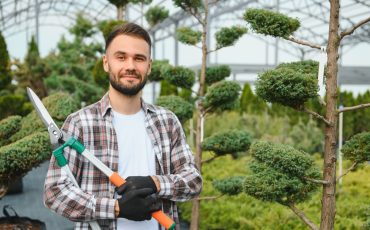
Young shade trees in South Florida need trimming every 2 to 5 years for their first 25 years. After that, a healthy mature tree needs it less often. Palms follow their own rules, and many need almost no trimming. The right schedule depends on your tree’s age, its species, and how close it grows to […]
-
 October 7, 2026
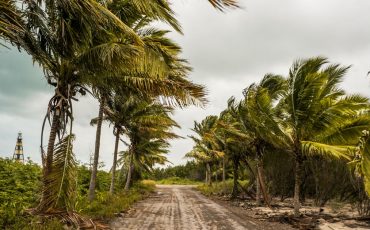
The trees that survive hurricanes best in Florida are sabal palms, live oaks, gumbo limbos, baldcypress, and small native trees like stoppers and cocoplum. That ranking comes from University of Florida researchers who measured thousands of urban trees after major storms, starting with Hurricane Andrew in 1992. But staying upright is only half the story. […]
-
 September 28, 2026
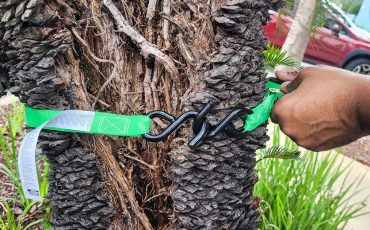
Cabling and bracing save a weak tree by limiting how far its parts can move, so a defective union never reaches the breaking point. Cables go high in the canopy and restrict sway. Braces are steel rods installed through or near the weak union itself. Neither one makes the defect go away. What they do […]
-
 September 21, 2026
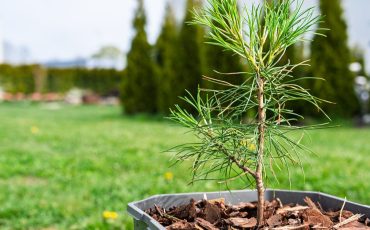
How far to plant trees from your house in Miami comes down to one number: the tree’s mature size, not the size it is the day you buy it. A good rule of thumb is to take the species’ mature canopy spread, cut it in half, and add at least 10 feet of clearance to […]
-
 September 14, 2026
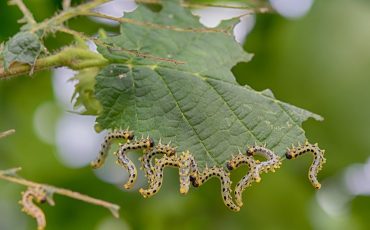
The tree pests in Miami that cause the most damage are rugose spiraling whitefly, ficus whitefly, royal palm bug, scale insects, and wood-boring beetles. Each one hits a different set of trees, and each one needs a different fix. Spraying the wrong thing at the wrong time usually makes the problem last longer. Here is […]
-
 September 7, 2026
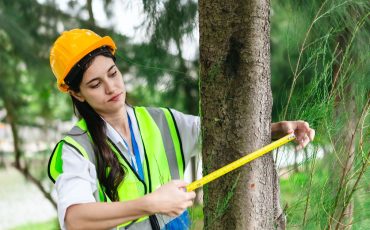
Generally speaking, no. You do not need a permit to trim a tree in Miami as long as the work is selective pruning done to accepted industry standards. Miami-Dade County permit rules focus on tree removal, not routine trimming. The catch is that bad trimming can legally count as removal, and that is where homeowners […]
-
 August 28, 2026
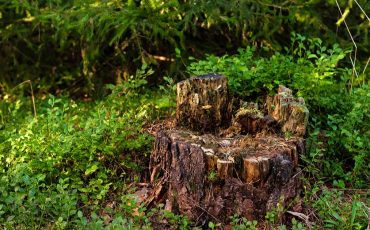
Yes, tree stumps attract termites and other pests, but not in the way most homeowners picture it. A stump does not bring termites to your property. Subterranean termites already live in the soil across South Florida. What a rotting stump does is feed them, shelter them, and hide their activity a few feet from your […]
-
 August 21, 2026
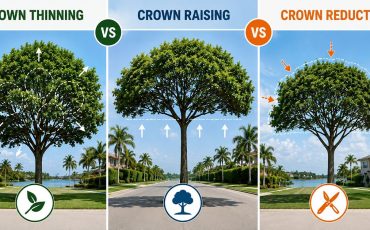
Crown thinning, crown raising, and crown reduction are three separate pruning cuts that fix three separate problems. Thinning opens the inside of the canopy. Raising lifts the lowest limbs off your roof or driveway. Reduction shortens the tree so it takes up less space. Most South Florida homeowners get all three quoted under one word, […]
-
 August 14, 2026
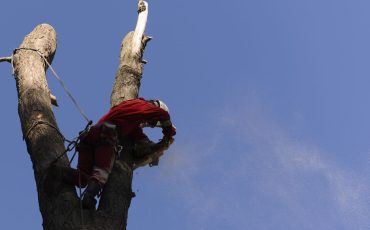
Tree topping cuts a tree’s main branches or trunk back to stubs to force the height down. It looks like a fast fix for a tree that crowds a roofline, but topping a tree in Miami creates a weaker tree, not a safer one. The height comes back within a few seasons, and it comes […]
-
 August 7, 2026
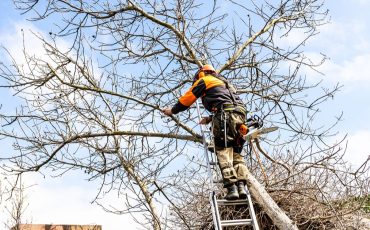
If you are choosing between tree trimming or pruning in Miami, trimming fixes shape and size while pruning fixes health and safety. Both jobs cut branches, so the two words get swapped on the phone every day. What your tree needs depends on the tree’s condition, not on the word you used when you called. […]
-
 July 28, 2026
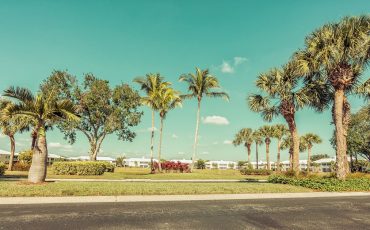
HOA tree rules in South Florida may control which trees you plant, how you trim them, and when you can remove them. Your association may require written approval even when the tree stands inside your private yard. City or county permits may also apply, so HOA approval alone may not be enough. Review both sets […]
-
 July 21, 2026
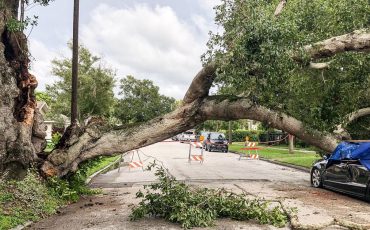
When a tree falls between neighbors in Miami, responsibility usually depends on why it fell and where the damage occurred. If a healthy tree drops during a hurricane or sudden storm, each owner often handles the damage on their own property. The tree owner may be responsible when known decay, disease, or another clear danger […]

