

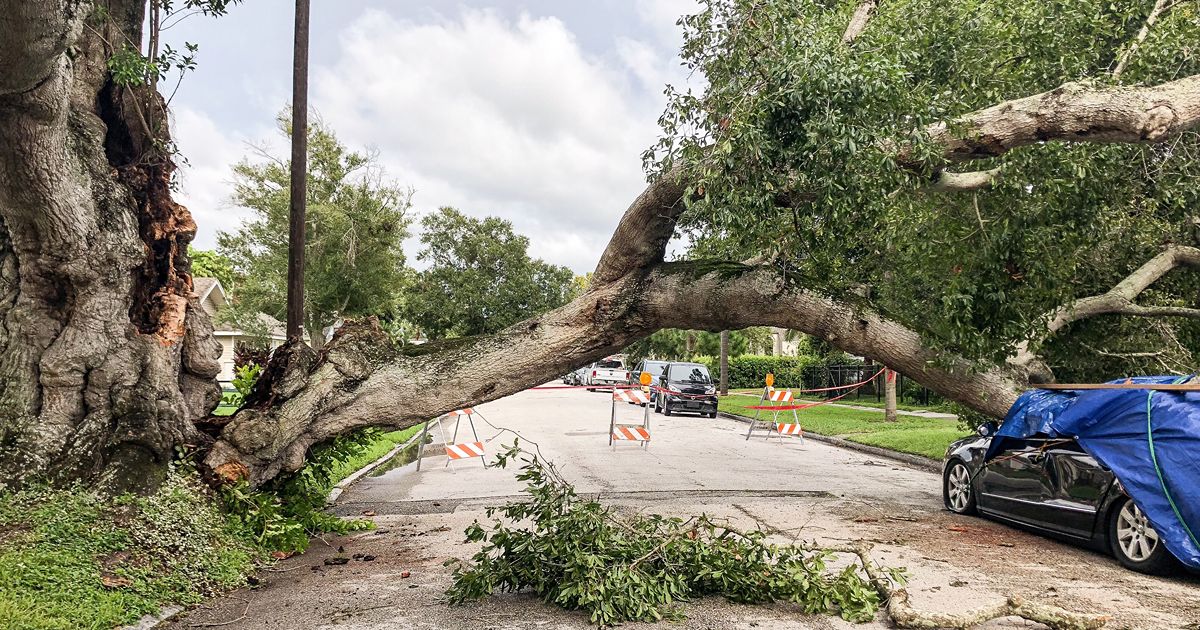
Who Is Responsible When a Tree Falls Between Neighbors in Miami?
When a tree falls between neighbors in Miami, responsibility usually depends on why it fell and where the damage occurred.
If a healthy tree drops during a hurricane or sudden storm, each owner often handles the damage on their own property.
The tree owner may be responsible when known decay, disease, or another clear danger was ignored.
Photos, written warnings, arborist reports, and insurance records can help show what happened.
Who Is Responsible When a Tree Falls Between Neighbors in Miami?
The owner of the damaged property usually starts the cleanup and insurance claim. Ownership of the tree does not always decide who must pay.
Florida generally follows a rule allowing property owners to trim branches and roots that enter their land at their own expense.
A healthy tree owner is not normally responsible only because branches or roots crossed the property line. Negligence may change the result when the owner knew or should have known that the tree posed a danger.
For example, imagine a healthy tree breaks in hurricane winds and falls onto a neighbor’s garage. The garage owner would normally contact their own insurer first.
Now imagine that the trunk had major decay, dropped dead limbs for months, and had been reported to the tree owner in writing. Those facts could support a claim that the owner failed to address a known risk.
Legal responsibility depends on the full facts of each event. This article gives general information and does not replace advice from a Florida attorney or insurance professional.
Who Pays When a Healthy Tree Falls During a Storm?
The owner of the property that suffered damage often files the first insurance claim when wind, lightning, or another sudden event causes a healthy tree to fall. The neighbor who owned the tree is not automatically at fault.
Insurers may treat a sudden tree fall as a natural event when no one could reasonably have predicted or prevented it. The affected homeowner may need to pay a deductible before coverage begins. Policy terms determine which repairs, debris costs, fences, sheds, vehicles, and other items are covered.
Property owners can follow these storm-pruning steps before hurricane conditions arrive.
Miami-Dade County advises residents not to remove more than 25 percent of a tree canopy during hurricane preparation. The county also warns against cutting root systems, as root damage can weaken a tree’s support.
What If the Tree Causes No Damage to the Building?
The person whose yard holds the fallen section may need to pay for removal when the tree does not damage a covered structure. Insurance support for debris alone can be limited.
A trunk across an open lawn may not trigger the same coverage as a tree resting on a house. Still, every policy differs. Call the insurer before hiring a crew, moving large wood, or making permanent repairs.
Ask the claims representative these questions:
- Does my policy cover debris removal?
- Must the tree hit a covered structure?
- What is my deductible?
- Should I wait for an adjuster?
- Can I pay for emergency work now?
- Which photos and receipts should I keep?
Do not assume that a neighbor must pay just because the trunk began on their land. Fault usually rests on the cause of the fall, not the original location alone.
When Can the Tree Owner Be Held Responsible?
A tree owner may be responsible when they knew or should have known about a dangerous condition and failed to act. The person making that claim usually needs facts that show notice, neglect, and a link between the hazard and the damage.
A tree does not need to look perfect to remain safe. Small cavities, moss, uneven growth, or old pruning wounds do not always mean failure is near. Stronger warning signs may include a dead crown, large cracks, severe root damage, major trunk decay, repeated limb drops, or visible movement at the base.
Common facts that may support negligence include:
- The neighbor gave a written warning before the fall.
- An arborist identified the tree as unsafe.
- Large dead branches had fallen before.
- The trunk had clear decay or a wide crack.
- The owner received a removal recommendation.
- The roots had lifted or broken near the base.
- The owner ignored city or association notices.
- Previous repair records showed an ongoing danger.
Miami property owners should act when they see signs of removal rather than waiting for the next storm. A prompt inspection creates a record and may prevent injury or damage.
Does Tree Disease Prove Negligence?
Disease alone does not always prove that an owner acted carelessly. The key question often involves what the owner knew, what a reasonable person could see, and what action followed.
Some diseases begin inside wood or roots before clear symptoms appear. Others cause visible leaf loss, dying branches, bark damage, or fungal growth. An arborist can document the condition and explain how it may affect stability.
South Florida has several serious plant health problems. Signs of dangerous tree diseases warrant professional review, especially when a large tree is close to a house, sidewalk, driveway, or neighboring yard.
Who Removes Each Part of the Fallen Tree?
Each property owner typically covers the portion on their own land unless an insurer, court, or private agreement assigns the cost differently. Neighbors can also agree to hire a single company and split the bill.
A shared plan may save money because the crew brings equipment once. Both owners should approve the scope in writing. The agreement should name who pays, who selects the contractor, and how damage will be handled.
Before cutting begins, decide:
- Which branches will be removed
- Where the trunk will be cut
- Who owns usable wood
- Who pays for hauling
- How fences will be accessed
- Who restores damaged landscaping
- How the stump will be handled
- Which insurer approved the work
Crews should not enter a neighbor’s yard without permission, except in a true emergency permitted by law. A property line dispute can slow cleanup, so written consent can prevent another problem.
What Happens to the Stump and Roots?
The tree owner usually controls the stump as long as it remains rooted on their property. A fallen trunk across the boundary does not move ownership of the root base.
Stump work may require a separate service and price. Grinding reduces the visible base below the soil, while full removal pulls out more of the root mass. Access, nearby pipes, fences, irrigation, and underground lines can affect the method.
Roots normally remain underground after grinding and break down over time. Our explanation of roots after grinding covers what homeowners may see as the remaining wood decays.
For yards that need new grass, paving, or planting, the choice between grinding and stump removal matters. Both neighbors should discuss any roots that cross the boundary before machinery enters the area.
Can You Trim a Neighbor’s Overhanging Branches?
Florida property owners can generally trim branches and roots back to the property line at their own expense. The work should not enter the neighbor’s land or cause avoidable harm to the tree.
Florida closely follows the rule that permits self-help for encroaching healthy branches and roots. Still, aggressive cuts may create a dispute if they kill or destabilize the tree.
Use these limits:
- Cut only up to the boundary.
- Keep workers on your property.
- Do not remove the whole tree.
- Avoid cuts that could cause the tree to fall.
- Do not enter the neighbor’s yard without consent.
- Confirm local permit rules before major work.
- Use an arborist for large roots or limbs.
A mature tree may depend on roots that extend far beyond the trunk. Cutting major roots on one side can reduce support. An arborist should study the tree before deep digging, driveway work, or major root pruning.
Does Miami Dade Require a Permit After a Tree Falls?
Miami-Dade County generally requires a permit to remove or relocate a tree that is not exempt under the county code. Emergency details and the exact property location can affect the required steps.
State law also limits local permit requirements in certain cases. Florida Statute 163.045 says a local government may not require a permit, fee, or mitigation for work on qualifying residential property when an ISA Certified Arborist or Florida-licensed landscape architect provides documentation that the tree poses an unacceptable risk.
Do not assume a storm cancels every rule. Ask the correct county or city office before removing the remaining trunk, grinding the stump, or taking down another damaged tree. Keep photos and professional reports that show the condition before work began.
Rules may differ within Miami, Coral Gables, Miami Beach, Pinecrest, or other municipalities.
Our areas served page helps homeowners confirm where local tree work is available, but permit answers should come from the agency that controls the property.
How Should Neighbors Document a Dangerous Tree Before It Falls?
Send a polite written notice, include photos, and request an arborist inspection. A clear record gives the tree owner a fair chance to act and may help later if the danger is ignored.
The message should stay factual. Avoid threats, legal claims, or guesses about the tree’s health.
Include:
- The tree’s location
- The visible concern
- The date you noticed it
- Recent changes
- Photos from your property
- A request for inspection
- A reasonable reply date
A simple message may say that a large dead branch hangs over your roof and ask the owner to have it inspected. Keep a copy of the note, email, or text.
An arborist report carries more weight than a personal opinion. The report may describe visible defects, nearby targets, recommended work, and the timing for action.
Does Homeowners Insurance Cover a Fallen Neighbor’s Tree?
Homeowners insurance may cover damage to a house or another insured structure caused by a fallen tree resulting from a covered event. Coverage, limits, exclusions, and deductibles depend on the policy.
The affected owner should call their insurer even when they believe the neighbor caused the loss. One insurance company may pay the claim and later seek repayment from another party when evidence supports a finding of negligence.
Coverage may differ for:
- Roof repairs
- Fence damage
- Detached garages
- Sheds
- Swimming pools
- Vehicles
- Debris removal
- Temporary housing
- Landscaping
- Loss of use
Vehicle damage may fall under auto coverage instead of the home policy. A basic liability policy may also respond differently from property coverage.
Do not throw away damaged materials before the adjuster gives instructions. Temporary steps that stop rain or prevent more damage are often reasonable, but save photos and receipts.
What If Both Neighbors Share Ownership of the Tree?
A boundary tree may belong to both property owners when the trunk grows across the property line. Shared ownership can limit one owner’s ability to remove or heavily alter it without the other owner’s consent.
The exact trunk location matters more than branches that extend over the line. A survey may help when the boundary is unclear.
Both owners should agree in writing before:
- Removing the entire tree
- Cutting major roots
- Performing heavy crown reduction
- Installing support systems
- Splitting removal costs
- Replanting near the boundary
When no agreement is possible, speak with a Florida property attorney before taking action. Cutting a jointly owned tree without consent can create a larger dispute than the original maintenance problem.
How Can Miami Neighbors Prevent Future Tree Disputes?
Regular inspections and clear communication can prevent many conflicts. Owners should address visible hazards before hurricane season and keep records of major tree work.
Use this plan:
- Inspect large trees each year.
- Schedule another review after severe storms.
- Remove dead or hanging limbs.
- Watch for cracks, decay, and root movement.
- Share concerns in writing.
- Hire insured tree professionals.
- Save estimates and arborist reports.
- Confirm permits before removal.
- Discuss branches near the property line.
- Review insurance limits each year.
Healthy trees provide shade and value, so removal should not become the first answer to every disagreement. Proper care can preserve a tree while reducing risk for both homes.
Clear Records Help Resolve Fallen Tree Disputes
Responsibility for a fallen tree between Miami neighbors depends on the cause, prior warning signs, property damage, and insurance terms.
Photograph everything, report the loss quickly, and avoid making private payment promises before the facts are reviewed.
When decay or neglect may have played a role, an arborist, an insurer, or a Florida attorney can help clarify the next steps.