

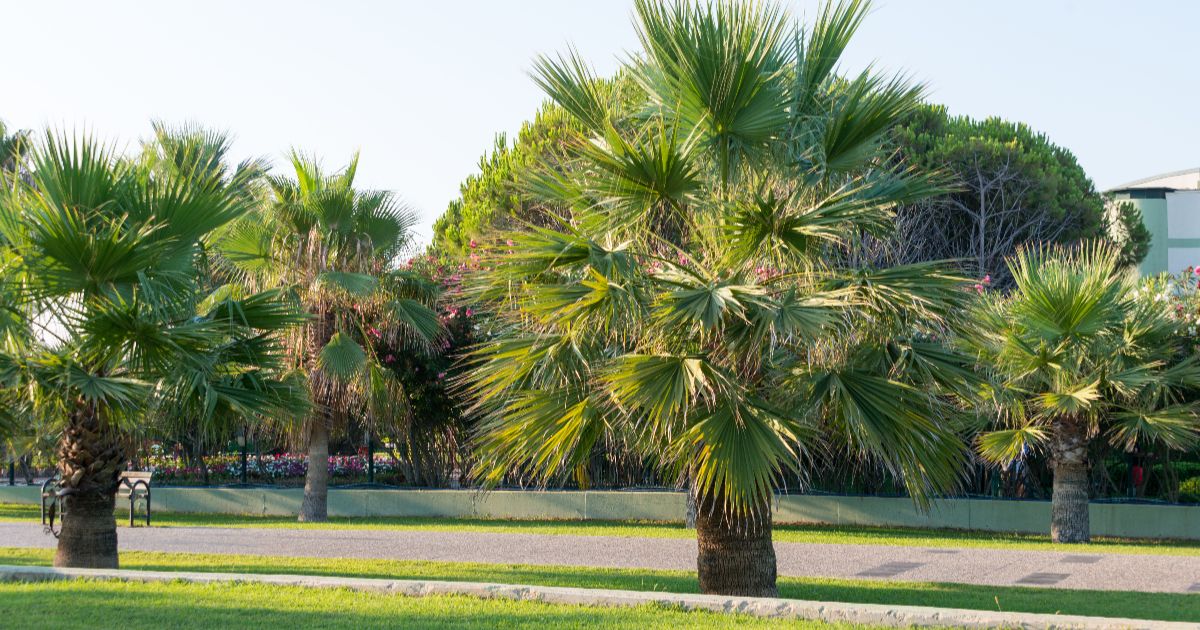
Meet Sabal Palmetto: Florida’s State Tree
The Sabal Palmetto is Florida’s state tree and a native palm found throughout the state.
It is also called the cabbage palm, sabal palm, and Florida palmetto. This palm is known for its fan-shaped leaves and strong trunk.
You see the Sabal Palmetto along roads, near beaches, and in many yards. It handles heat, salt, wind, and hurricanes better than most trees.
That strength is why Florida chose it as a state symbol in 1970, replacing the cocoa palm.
What Is Florida’s State Tree?
Florida’s state tree is a native palm known for its fan-shaped leaves and rough trunk. It grows slowly but lives a long time. You can find it from the coast to inland areas.
It is not a true tree in the normal sense. It is a palm. Unlike oak or pine, it does not form growth rings. Instead, it grows from a single bud at the top.
This palm can reach 30 to 65 feet tall. Some plants grow shorter due to the soil and water.
It stays green all year. It does not drop leaves in winter.
Why Florida Chose This Tree
Florida named this palm its state tree in 1953. Lawmakers chose it for its deep ties to the state’s history and land.
This palm survived long before cities and roads existed. Native tribes used it for food, shelter, and tools. Early settlers relied on it, too.
It also stands strong during hurricanes. While many trees snap or fall, this palm bends and stays rooted.
That mix of history, strength, and survival made it the clear choice.
Where the Sabal Palm Grows in Florida
Sabal palm grows in almost every part of the state. You see it near beaches, in flatwoods, and around wetlands.
It handles:
- Sandy soil
- Flooded ground
- Salt spray
- High heat
It grows well in both sun and partial shade.
Because of this range, cities often use it in public spaces. Homeowners like it, too, since it requires little care.
How the Sabal Palmetto Survives Storms
Sabal Palmetto survives storms better than most trees. Its trunk is flexible, not stiff. That helps it bend in strong wind instead of breaking.
Its root system spreads wide and deep. That gives it a firm hold in the soil.
The leaves also help. Wind passes through the fan-shaped area rather than pushing against a solid surface.
This is why many remain standing after hurricanes.
Leaves, Trunk, and Growth Style
The leaves are large and shaped like open fans. Each leaf can grow several feet wide. They stay green year-round.
The trunk has a rough texture. Old leaf bases often stay attached, giving it a layered look.
This palm grows slowly. It can take years for a visible trunk to form. During that time, it may look like a bush.
Once the trunk appears, growth becomes easier to spot.
Flowers, Fruit, and Wildlife Value
In late spring and early summer, this palm produces small white flowers. Bees and other insects gather around them.
Later, it grows dark berries. These fruits feed birds, raccoons, and deer.
The leaves also provide shelter. Birds nest in them. Small animals hide near the base.
This palm supports the local ecosystem year after year.
Sabal Palmetto in History
Native tribes used nearly every part of this palm.
They used the leaves for:
- Roof thatch
- Baskets
- Mats
They ate the fruit and used fibers for tools.
Early settlers followed the same ideas. They built simple homes using palm leaves. They fed livestock with parts of the plant.
Even today, some use dried leaves for crafts and décor.
Is the Sabal Palmetto Good for Landscaping?
Yes, this palm works well in many yards and public spaces.
It needs little water once established. It does not need regular trimming. It resists pests and disease.
It also handles salt air, which makes it ideal near the coast.
Many cities plant it along roads and in parks for these reasons.
Homeowners like it because it looks clean and natural with minimal effort.
How Long Does the Sabal Palmetto Live?
This palm can live for many decades. Some live over 100 years.
Because it grows slowly, it takes time to reach full height. But once mature, it stays strong.
It does not need special care to live a long life. Nature does most of the work.
Common Myths
Some people think this palm is weak because it bends. That is false. Bending helps it survive.
Others think it needs lots of water. Once established, it does not.
Another myth is that trimming helps it grow faster. Over-trimming can hurt it.
Simple care works best. Check out some palm trimming tips.
How to Care for a Sabal Palmetto
This palm thrives with minimal care.
Basic tips include:
- Water young palms until roots form
- Avoid cutting green leaves
- Let fallen leaves drop naturally
- Plant in well-drained soil
Once established, it needs very little attention.
Why the Sabal Palmetto Truly Represents Florida
Florida’s state tree reflects the land and spirit of the state. It stands strong in storms, supports wildlife, and connects modern Florida to its past.
It grows where others fail. It lasts through heat and wind. That quiet strength is what makes it special.
When you see this palm, you are looking at a symbol of Florida itself.