

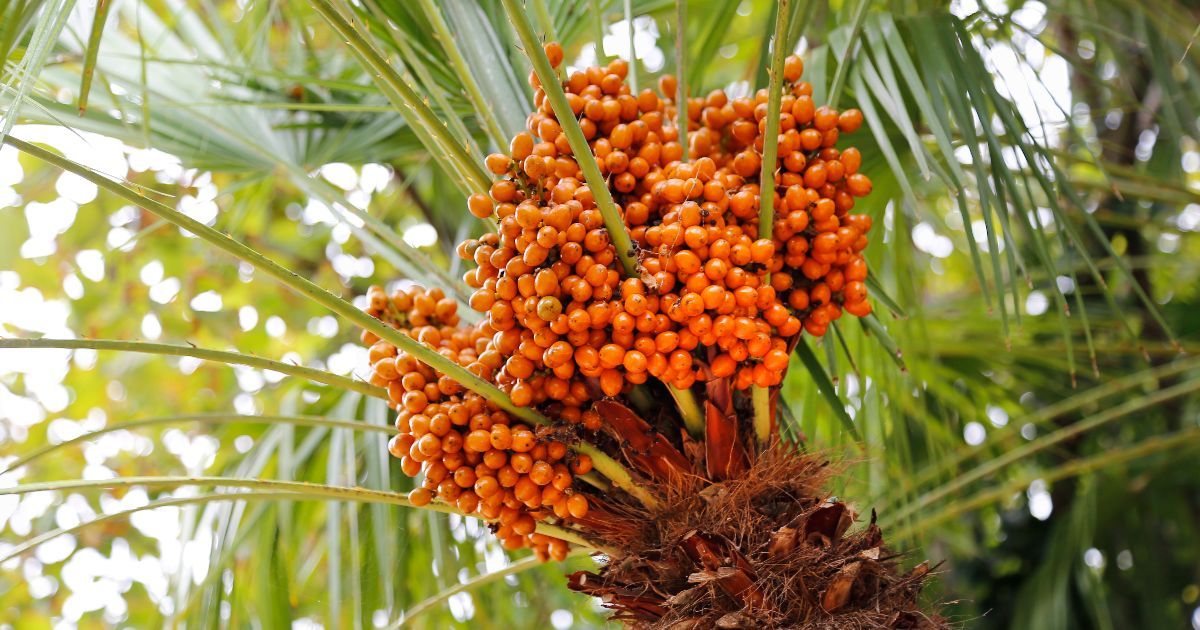
Native vs. Non-Native Palms in Florida
Native palms grow naturally in Florida, while non-native palms come from other countries and regions.
Both types are common across the state, but they differ in strength, care needs, and environmental impact.
Florida’s warm climate allows many palm species to grow well. Some belong here and support local wildlife.
Others are planted for looks and fast growth.
Let me show you the different palm trees that grow in Florida and teach you a little about each type.
What Makes a Palm Native to Florida?
A native palm grows in Florida without human help. These palms adapted over thousands of years to local weather, soil, storms, and pests.
Native palms handle hurricanes, salt air, and cold snaps better than most non-native palms. They also support birds, insects, and other wildlife that depend on them for food and shelter.
It usually needs less water and care once established.
Common Native Palms in Florida
Florida has several native palm species. Each grows in specific areas, such as coasts, wetlands, or flatwoods.
Sabal Palmetto (Cabbage Palm)
The Sabal palmetto is Florida’s state tree and the most common native palm. It has fan-shaped leaves and a strong trunk.
It tolerates salt, heat, cold, and flooding. It survives hurricanes better than most trees.
This palm grows across the state and needs very little care.
Saw Palmetto
Saw palmetto grows low to the ground and spreads wide. It has sharp-edged stems and fan-shaped fronds.
It flourishes in sandy soil and dry areas. Wildlife eats its berries, and birds nest in its dense growth.
Royal Palm
Royal palms grow naturally in South Florida. They have smooth gray trunks and tall green tops.
They prefer warm areas and well-drained soil. While native to parts of Florida, they do not handle cold as well as other native palms.
Needle Palm
Needle palm is small and shrub-like. It is one of the most cold-hardy palms in North America.
It works well in shaded yards and tight spaces. It adds volume without growing tall.
Florida Thatch Palm
This slow-growing fan palm stays small and neat. It grows naturally in coastal areas.
It does well in warm climates and sandy soil, but grows slowly.
Paurotis Palm (Everglades Palm)
The Paurotis palm grows in clusters and thrives in wet soil. You often find it near swamps and wetlands.
It supports wildlife and works well in areas with poor drainage.
Benefits of Native Palms
Native palms offer practical and environmental benefits.
They:
- Survive hurricanes better
- Need less water once established
- Resist local pests and disease
- Support native wildlife
- Fit Florida’s natural landscape
Because they evolved here, they usually last longer and cost less to maintain.
What Are Non-Native Palms?
Non-native palms come from other parts of the world. Landscapers bring them in for style, height, or fast growth.
Many survive in Florida’s climate, but they often need more care. Some struggle with cold weather, storms, or local pests.
These palms are popular in residential and commercial landscapes.
Popular Non-Native Palms in Florida
Coconut Palm
Coconut palms grow fast and thrive in full sun. They are common near beaches and coastal areas.
They produce coconuts but do not handle cold well. Strong storms can also knock them over.
Foxtail Palm
Foxtail palms have thick fronds that look like a fox’s tail. They grow fast and look clean.
They are popular in modern landscapes but are sensitive to cold and disease.
Areca Palm
Areca palms grow in clusters and are often used as privacy hedges.
They need regular water and trimming. Cold weather can damage them.
Bismarck Palm
Bismarck palms have large silver-blue leaves. They stand out in open spaces.
They tolerate drought but need room to grow. Cold snaps can cause damage.
Bottle Palm
Bottle palms grow slowly and have thick trunks shaped like bottles.
They work well in small yards but need protection from cold.
Christmas Palm
Christmas palms stay small and clean. They grow red fruit in winter.
They are often used instead of royal palms in tight spaces.
Queen Palm
Queen palms grow tall with long, flowing fronds. They give a tropical look.
They need more care and often suffer from nutrient issues.
European Fan Palm
This palm grows in clumps and handles cold better than many others.
It works well in both residential and commercial landscapes.
Washingtonia (Mexican Fan Palm)
Washingtonia palms grow very tall and fast. They are common along streets.
They need frequent trimming and can drop heavy fronds.
Pygmy Date Palm
This small palm works well in containers and entryways.
It grows slowly and needs protection from pests.
Pros and Cons of Non-Native Palms
Non-native palms offer visual appeal but come with trade-offs.
Pros:
- Fast growth
- Bold tropical look
- Many size options
Cons:
- Less storm-resistant
- Higher maintenance
- Cold sensitivity
- May not support local wildlife
Native vs. Non-Native: Which Is Better?
Native palms are usually the better long-term choice in Florida. They last longer, need less care, and handle storms better.
Non-native palms work well when looks matter most, but they often require more water, trimming, and protection.
For low tree maintenance and durability, native palms win.
For fast results and design impact, non-native palms are often chosen.
Understanding Native vs. Non-Native Palms in Florida
Native palms belong to Florida’s land and climate. They grow strong, support wildlife, and survive storms. Non-native palms add style but need more care and planning.
Exploring the comparisons helps you choose palms that last longer and cost less to maintain. In Florida, native palms are often the smarter choice.