

Tree Crown vs Tree Canopy: Differences and More
A tree crown is the full top part of one tree, including its branches, leaves, flowers, and fruit.
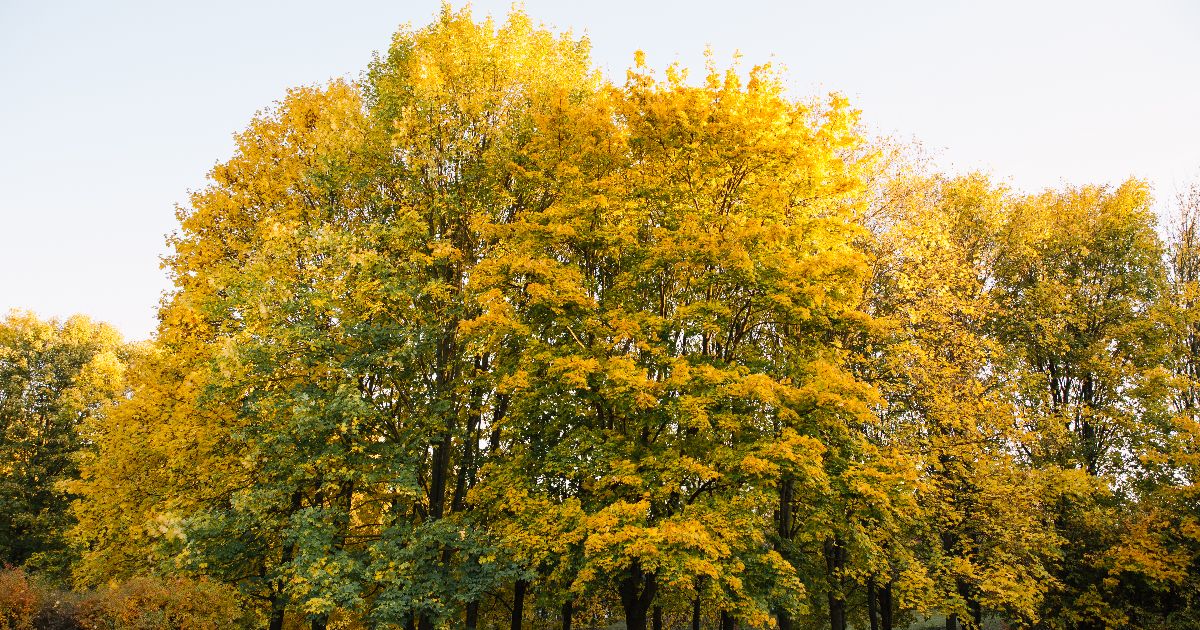
A tree canopy is the cover created by one tree or a group of trees when their crowns spread over the ground.
That is the simple difference. The crown belongs to one tree. The canopy can describe shade or cover from one tree or many trees.
What Is a Tree Crown?
A tree crown is the top part of a tree that grows above the trunk. It includes the main branches, smaller branches, twigs, leaves, flowers, seeds, and fruit.
The tree crown is the entire upper part of a tree.
When you look at a single tree from the side, the crown is the leafy and branch-filled area above the trunk. It gives the tree its shape.
A tree crown can be:
- Round
- Wide
- Narrow
- Tall
- Open
- Dense
- Uneven
- Spreading
The crown changes as the tree grows. Young trees often have small crowns. Older trees may have wide crowns with large limbs.
A healthy crown helps the tree make food. Leaves take in sunlight. The tree uses that sunlight to grow and stay strong.
What Is a Tree Canopy?
A tree canopy is the cover formed by leaves and branches when viewed from above or from below. It can come from one tree or from many trees together.
A tree canopy is the shade cover made by tree leaves and branches.
In a yard, the canopy may cover grass, a patio, a driveway, or part of the roof. In a city, the canopy is the total tree cover over roads, parks, homes, and sidewalks.
A canopy is often used to talk about:
- Shade
- Ground cover
- Heat reduction
- Rain slowdown
- Street trees
- Tree coverage in a city
- Outdoor comfort
For example, one large oak may create a strong canopy over a backyard. A row of street trees may create a canopy over a road.
The Main Difference
The main difference between a tree crown and a tree canopy is how the terms are used.
The crown describes the upper part of a tree. The canopy refers to the cover or shade provided by one or many trees.
Here is the simple answer:
- Tree crown: The top structure of one tree.
- Tree canopy: The cover made by tree crowns.
The crown is part of the tree. The canopy is the effect the crown has on an area.
The Confusion
People often confuse the terms “tree crown” and “tree canopy” because both refer to the leafy upper area of a tree. In normal speech, many people use them the same way.
That is not always wrong. In some yards, both terms may refer to the same part of the tree.
But in tree care, landscaping, city planning, and permits, the difference can matter.
For example:
- An arborist may inspect the crown of one tree.
- A city may measure total canopy coverage.
- A tree crew may reduce the weight in the crown.
- A homeowner may want more canopy shade over a yard.
So, the words are linked, but the focus is different.
What Parts Make Up a Tree Crown?
A tree crown includes the living and woody parts above the trunk. This is where much of the tree’s growth happens.
The crown includes:
- Main limbs
- Small branches
- Twigs
- Leaves
- Buds
- Flowers
- Seeds
- Fruit
The crown also includes dead branches if they are still attached. This matters because dead wood in the crown can fall during wind or rain.
How Tree Trimming Affects the Crown
Tree trimming affects the crown by removing branches from the upper part of the tree. Good trimming can help the crown stay balanced and strong.
Proper trimming can:
- Remove dead wood
- Reduce heavy limbs
- Clear branches from the roof
- Improve airflow
- Reduce storm risk
- Keep a natural shape
Bad trimming can harm the crown. Cutting too much can stress the tree. Topping a tree can create weak growth. Removing large limbs without a plan can make the tree unsafe.
A tree crown should be trimmed with care, not stripped.
How Tree Trimming Affects the Canopy
Tree trimming affects the canopy by changing how much shade and cover the tree provides.
Light trimming may open the canopy. Heavy trimming may reduce shade. Poor trimming can leave gaps, uneven growth, or weak limbs.
A tree canopy should not be thinned too much. Trees need leaves to make food. If too many leaves are removed, the tree may struggle.
Good canopy trimming should:
- Keep enough shade
- Remove unsafe limbs
- Let the wind pass through
- Protect nearby structures
- Keep the tree looking natural
- Support long-term health
The goal is balance. You want a safer tree, not a damaged tree.
Know the Difference Before You Trim
A tree crown is the top part of a tree. A tree canopy is the shade and cover made by one or more tree crowns. The crown is the tree’s structure. The canopy is the cover that the structure creates.
Both matter for tree health, safety, shade, and curb appeal.
If your tree crown looks weak, heavy, or damaged, get it checked. If your canopy is too thick, too low, or too close to your home, proper trimming can help.
Smart tree care keeps the tree safer, stronger, and better for your property.