

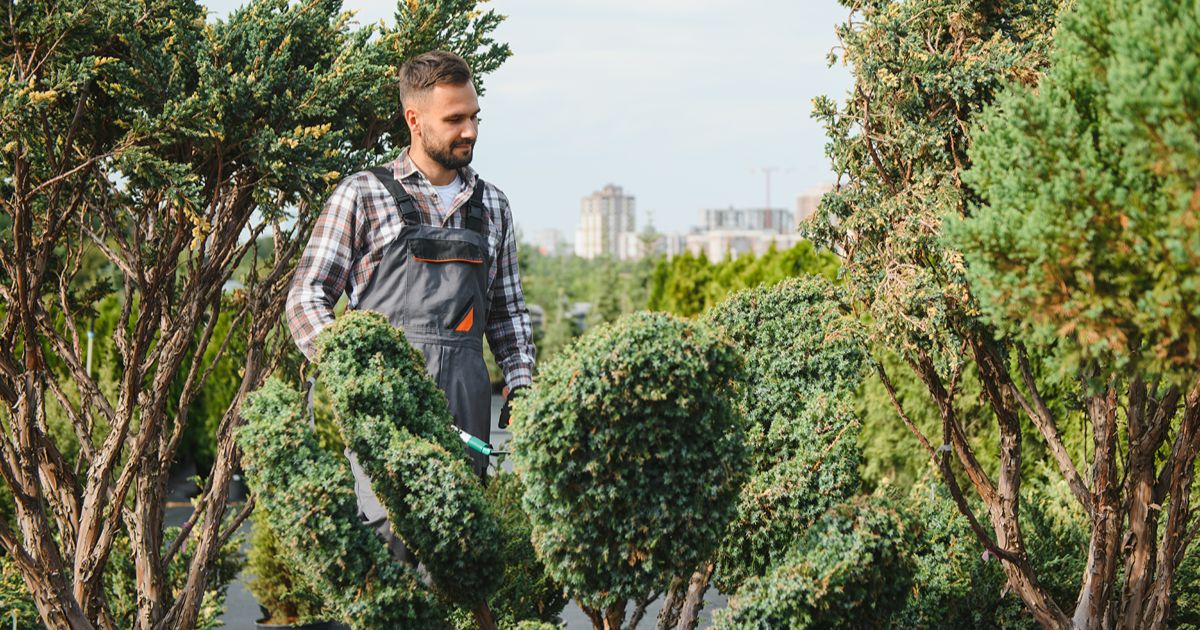
Landscaper vs. Arborist: Who Should Care for Your Trees in Miami?
A landscaper vs. arborist comparison starts with the type of work your trees need. Landscapers handle lawns, shrubs, planting beds, and routine yard care.
Arborists focus on tree health, structure, pruning, risk, and removal decisions. Miami property owners may need both professionals, but they should not use them for the same jobs.
What Is the Difference Between a Landscaper and an Arborist?
A landscaper cares for the full yard, while an arborist specializes in trees. Their services may overlap, but their training and main goals differ.
Landscapers usually maintain grass, flower beds, hedges, small plants, irrigation, and outdoor spaces. Some also plant young trees or remove small branches. Their main focus often centers on the property’s appearance and daily care.
Arborists study how trees grow, respond to damage, and decline over time. They may assess roots, trunks, limbs, pests, diseases, soil, and nearby risks.
The International Society of Arboriculture states that its Certified Arborist credential demonstrates a tested level of tree-care knowledge and skill.
Our Miami tree service overview explains how trimming, removal, stump work, and health care fit together. Knowing the service you need makes it easier to choose the right person.
What Work Should a Miami Landscaper Handle?
A landscaper should handle routine work that keeps the yard neat, usable, and healthy. This may include lawns, planting beds, small shrubs, mulch, and simple irrigation care.
Lawn and Bed Maintenance
Most landscapers can mow grass, edge walkways, remove weeds, spread mulch, and shape small bushes. They may also add seasonal plants or replace damaged ground cover.
These jobs require skill, but they do not usually involve large tree limbs or tree health reports. A landscaper may notice a problem with a tree and suggest you call an arborist.
Common landscaping tasks include:
- Lawn mowing and edging
- Weed control
- Mulch placement
- Small shrub trimming
- Flower bed care
- Basic irrigation work
- Yard cleanup
- Plant installation
Tree roots can sit close to grass, beds, and walkways. Ask the crew to keep mowers and string trimmers away from trunks. Repeated cuts near the base can damage bark and create a path for decay.
Small Planting Projects
A landscaper may plant small trees when the site is simple, and the species is a good match. Proper planting still requires the right depth, spacing, soil care, and root placement.
Roots should not wrap tightly around the trunk or stay trapped inside a dense root ball.
Our article on fixing girdling roots explains why root problems should be corrected before a young tree is planted.
Large trees or hard sites need added planning. An arborist can help select a species based on mature size, wind strength, soil, sun, drainage, and distance from buildings.
When Should You Hire an Arborist in Miami?
You should hire an arborist when a tree has health problems, large branches, storm damage, structural weakness, or signs of decay. Arborists can also help when you must decide between treatment, pruning, and removal.
UF IFAS advises Florida property owners to use an ISA Certified Arborist when trees need inspection and pruning before hurricane season. Strong wind and wet soil can expose weak roots, split trunks, and poor branch unions.
The Tree Looks Sick
Call an arborist when leaves change color at the wrong time, branches die, bark falls away, mushrooms grow near the trunk, or the canopy becomes thin. Those signs may come from disease, pests, root damage, drought, or soil trouble.
Not every strange growth means the tree is dying. Spanish moss, for example, grows on trees but does not feed on their tissue. Facts about Spanish moss on trees can help owners avoid removing healthy limbs for the wrong reasons.
An arborist should examine the entire tree rather than treating a single sign. Leaf loss may start in the roots, while trunk decay may weaken branches far above the visible wound.
Large Limbs Need Pruning
An arborist should plan cuts on mature trees, mainly when limbs hang over a roof, pool, road, or power line. Poor cuts can weaken the branch structure and leave large wounds.
Correct pruning removes selected growth without stripping the canopy. Tree crowns need enough healthy leaves to produce food and support new tissue. The difference between a tree crown and canopy helps explain why random limb removal can change both structure and shade.
Ask the arborist to state the reason for each main cut. A clear plan may remove deadwood, create building clearance, reduce weight, or improve branch spacing.
A Tree May Fall
An arborist should assess trees with a new lean, cracked trunk, lifted soil, hollow areas, broken roots, or major storm damage. These signs may increase the risk of branch or whole-tree failure.
No professional can promise that a tree will never fall. A trained arborist can identify visible defects, nearby targets, and steps that may lower risk.
Some trees offer useful wind protection when they have sound structure and enough space. Our article about trees and storm protection shows why healthy placement and proper care matter in Miami.
Landscaper vs. Arborist for Tree Trimming
Choose an arborist for mature tree trimming and a landscaper for small ornamental plants or low shrubs. Tree size, branch weight, location, and health should guide the choice.
A landscaper may safely trim small growth that can be reached from the ground with hand tools. Large limbs require knowledge of branch structure, cutting points, rigging, fall zones, and worker safety.
Palm care also needs the right method. Removing too many green fronds can reduce the palm’s food supply and may weaken it. Natural palm trimming methods focus on dead or damaged growth instead of creating an extreme hurricane cut.
Before approving tree trimming, ask:
- Which branches will you remove?
- Why does each cut help the tree?
- How much live foliage will remain?
- Will climbing spikes touch a tree that will stay?
- How will workers lower heavy limbs?
- What cleanup does the price include?
- Who will supervise the work?
I would avoid any crew that gives the same trimming plan for every tree. A mango, live oak, palm, and gumbo limbo have different forms and needs.
Who Should Diagnose Tree Diseases and Pests?
An arborist should diagnose problems that affect a tree’s leaves, bark, trunk, branches, or roots. Landscapers can report symptoms, but treatment should follow a sound diagnosis.
South Florida trees face fungal diseases, insects, poor drainage, heat, soil compaction, and damage from yard tools. Several problems can create the same signs. Pests, weak roots, nutrient imbalances, excess water, or dry soil may cause yellow leaves.
Miami also has tree species that can become hazardous, invasive, or hard to manage. The list of dangerous South Florida trees gives examples of traits that may affect planting or removal choices.
Ask the arborist to explain:
- What symptoms were found
- What may have caused them
- What tests are needed
- Which treatments may help
- How long recovery may take
- What happens without treatment
- When removal becomes safer
A good diagnosis may save a tree from needless removal. It can also stop owners from spending money on products that do not address the real cause.
Who Should Plant a New Tree?
A landscaper can plant a small tree in a simple site, while an arborist can help choose the right species and location. Complex sites benefit from both professionals working together.
Tree selection should account for future height, canopy width, root space, wind exposure, drainage, overhead lines, and nearby structures. A small nursery tree may become much larger than the owner expects.
Native species can support local wildlife and may suit Florida conditions. Non-native trees may also grow well, but some spread quickly or break more easily during storms. For palms, the choice between native and non native options can affect care needs and yard design.
Use these steps for planting:
- Choose a species that fits the mature space.
- Keep enough room from roofs, walls, pipes, and wires.
- Inspect the root ball before planting.
- Place the root flare near ground level.
- Water the new tree based on soil moisture.
- Add mulch without piling it against the trunk.
- Watch for leaning, wilting, or root problems.
An arborist can also help protect trees that add shade and curb appeal. Healthy trees may support home value when they are well-placed and well-cared for. The connection between trees and property value makes early planning worthwhile.
Can One Company Provide Both Services?
One company can offer landscaping and arborist services, but you should confirm who performs each task. A business name alone does not prove tree care training.
Some larger yard care companies employ ISA Certified Arborists or work with them. Others may use a tree crew without a certified professional on site. Ask for the arborist’s full name and verify the credential through the ISA directory.
Certification is voluntary and tests professional knowledge in arboriculture. It does not replace insurance, safe practices, local approval, or a clear written work plan.
How Much Do Landscapers and Arborists Charge?
Landscapers often charge for routine visits or set yard tasks, while arborists price work based on tree size, condition, access, and risk. The lowest estimate may not cover the same service.
Lawn care may be billed at a weekly, biweekly, or monthly rate. Tree work may require climbing, lifts, ropes, chippers, cranes, traffic control, or extra workers. Those needs affect labor and equipment costs.
Get at least three written estimates for large work. Each quote should list the same trees and tasks. Compare the scope before comparing the price.
A higher tree service quote may include:
- Arborist inspection
- Special rigging
- Large equipment
- Roof or pool protection
- Debris hauling
- Stump work
- Permit support
- Added crew members
Our Miami tree services page shows how tree removal, trimming, and stump care differ. Separating each task can help you understand what the estimate covers.
Common Mistakes Miami Property Owners Make
The biggest mistake is hiring one type of worker for every outdoor problem. Landscapers and arborists bring different skills to a property.
One common error happens when a mowing crew makes large cuts only because branches seem too long. Another occurs when owners call an arborist for basic lawn edging or flower bed care. Both choices can waste money or harm the yard.
Avoid these mistakes:
- Hiring based only on price
- Allowing heavy cuts without a plan
- Treating every moss growth as disease
- Planting too close to a building
- Ignoring roots during yard work
- Removing large limbs with basic tools
- Accepting verbal estimates
- Skipping insurance questions
- Assuming one credential covers every worker
We usually get better results when each professional handles the work that matches their training. The landscaper maintains the full yard, while the arborist protects the long-term health and structure of mature trees.
Give Each Miami Tree the Right Kind of Care
The landscaper vs. arborist choice depends on the job, not the company title.
Use a landscaper for regular yard care and call an arborist for mature trees, health concerns, large pruning, storm risk, or removal advice.
When both professionals work within their respective skill sets, your property receives better care, and your trees have a stronger chance of staying safe and healthy.