

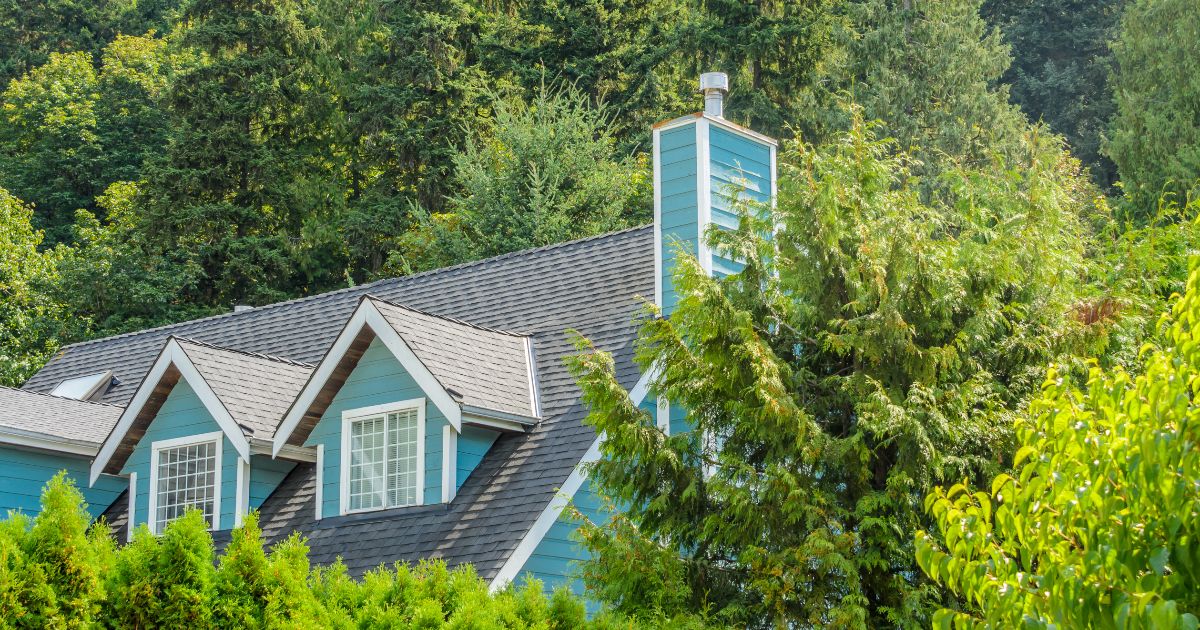
How Trees Protect Your Home Against Wind and Storms
Trees protect your home against wind and storms by reducing wind speed, blocking debris, and stabilizing the soil.
When planted and maintained the right way, trees act like natural barriers that help protect your property during strong weather.
How Trees Reduce Wind Speed
Trees slow down the wind before it reaches your home.
They work by:
- Breaking up wind flow
- Reducing wind pressure
- Creating a buffer zone around your house
A row of trees can reduce wind speed by 30–50%. Trees act as a shield, reducing the impact of strong winds.
Trees Help Block Flying Debris
During storms, debris can cause serious damage. Trees can help reduce that risk.
They:
- Catch small debris like branches and leaves
- Slow down objects carried by the wind
- Protect windows and walls
Well-placed trees can reduce the force of flying debris.
Trees Protect the Soil Around Your Home
Strong roots hold soil in place. This helps prevent erosion during heavy rain.
Trees help:
- Keep soil stable
- Reduce runoff
- Protect your foundation
Without trees, soil can wash away and weaken the ground around your home.
Shade Reduces Storm Stress on Your Home
Trees provide shade that helps protect your home before and after storms.
They:
- Keep roof surfaces cooler
- Reduce material stress from heat
- Extend the life of roofing materials
In hot climates like Miami, this matters even more.
Best Trees for Wind and Storm Protection in Florida
Not all trees are safe during storms. Some are strong, while others break easily.
Best storm-resistant trees include:
- Live oak
- Gumbo limbo
- Bald cypress
- Sabal palm
These trees have strong roots and flexible structures.
Avoid weak trees, such as ficus, or shallow-rooted species that are prone to falling.
Proper Tree Placement Matters
Where you plant trees is just as important as the type of tree.
Follow these tips:
- Plant trees at a safe distance from your home
- Avoid placing large trees too close to the roof
- Use trees to block common wind directions
- The 3-30-300 Rule For Urban Forestry
Good placement improves protection and reduces risk.
Tree Maintenance Is Key to Safety
Unmaintained trees can become dangerous during storms.
Regular maintenance includes:
- Trimming weak or dead branches
- Removing diseased trees
- Keeping trees balanced and healthy
A well-maintained tree is much less likely to fall.
When Trees Can Become a Risk
Trees can protect your home, but they can also cause damage if not managed.
Watch out for:
- Dead or leaning trees
- Overgrown branches near your roof
- Trees with weak root systems
In these cases, removal may be the safer option. Unsafe trees should be removed before storms.
How Tree Services Help Protect Your Property
Professional tree services help keep your property safe.
They can:
- Inspect tree health
- Recommend safe tree placement
- Trim or remove risky trees
- Prepare your property before storm season
This reduces the chance of damage during strong weather.
Experts help you manage trees safely.
Stronger Homes Start With the Right Trees
Trees protect your home against wind and storms when they are strong, well-placed, and properly maintained.
They reduce wind, block debris, and protect the ground around your home.
Where storms are common, trees are a key part of home protection.
When we choose the right trees and care for them, we add a natural layer of defense that helps keep our homes safe.