

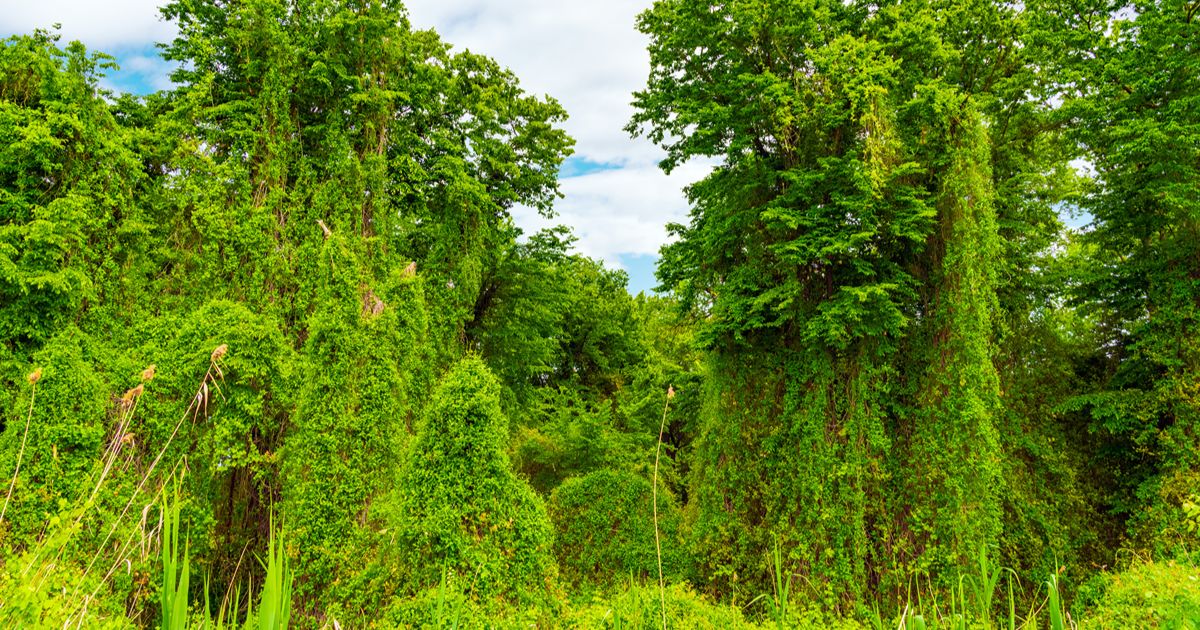
Invasive Trees to Remove in South Florida
The invasive trees to remove first in South Florida are Brazilian pepper, Australian pine, and melaleuca.
They crowd out native plants, spread on their own, and some break apart in hurricanes.
Miami-Dade bans planting them, and you can usually remove them without the normal tree permit.
The hard part is not cutting them down. It is keeping them from coming back.
Why Remove Invasive Trees in South Florida?
Invasive trees spread on their own and push out native plants.
Miami-Dade County notes that Brazilian pepper forms dense thickets that block sunlight from reaching the native plants below.
Birds eat the berries and drop the seeds, so new seedlings pop up far from the parent tree.
Some invasives are a storm risk too. A UF/IFAS review of hurricane research found Australian pine ranked among the least wind-resistant in at least two studies.
If you want a yard that holds up in storm season, swap these out for trees that handle hurricanes.
The Invasive Trees to Remove First in South Florida
Brazilian Pepper
Locals also call it Florida holly or Christmas berry. It grows as a sprawling shrub or small tree with clusters of bright red berries in winter. Look for leaflets on a leaf stem with a thin “wing” along its middle.
UF/IFAS says it flowers mostly from September through November, and its fruit ripens by December. Wear gloves when you cut it. The sap can cause a rash on bare skin.
Australian Pine
Australian pine is not a true pine. Its long, thin, needle-like branchlets just make it look like one. It sits on both the state and federal noxious weed lists.
It can grow up to 10 feet a year, and its dense, needle-like litter smothers or chemically suppresses plants beneath it. Its poor wind resistance makes a large one near a house a real hazard.
Melaleuca
Melaleuca, or paperbark tree, has soft white bark that peels off in thin layers. A UF/IFAS Extension writer in Miami-Dade notes it shows up less in urban yards than it once did. Still, if you find one, it belongs on the removal list.
Other Trees on Local Prohibited Lists
These also appear on South Florida prohibited or nuisance lists:
- Earleaf acacia, on the Miami-Dade prohibited list
- Bishopwood, on the Miami-Dade prohibited list
- Carrotwood, banned in Palm Beach and Collier counties
- Schefflera, exempt from removal permits in Oakland Park and Key Biscayne
- Java plum, banned in Collier County
Check each tree against the current Miami-Dade County Section 24-49.9 prohibited-species list before you cut. The list changes over time and covers more than trees, so identify the plant by its scientific name, not just its common name.
Removal of a listed species does not require a county tree-removal permit, unless the tree is in a Natural Forest Community or another protected area.
Do You Need a Permit to Remove an Invasive Tree?
Usually not in Miami-Dade, as long as the tree is on the county’s prohibited species list.
Local guidance says you don’t need a permit for those species unless the tree is in a Natural Forest Community or a protected preserve.
You can check names on the Miami-Dade prohibited plants page.
Broward works a little differently. The county exempts nuisance trees from its licensing requirements, but some cities still require a free permit first. When in doubt, call your city before you cut.
How to Stop Invasive Trees From Growing Back
Cut the tree low and treat the stump with herbicide right away. UF/IFAS Extension says untreated stumps of Brazilian pepper resprout within a few months, often into a tangle of stems that is harder to kill than the original tree.
Here is the method UF/IFAS recommends for Brazilian pepper:
- Cut low. Use a saw to cut the trunk as close to the ground as you can.
- Treat fast. Within five minutes, apply a glyphosate or triclopyr herbicide to the thin ring of live tissue just inside the bark.
- Follow the label. Using an herbicide in a way the label does not allow is illegal.
- Bag the berries. If the tree is fruiting, keep the berries from spilling where they can sprout.
- Check for sprouts. Roots a quarter inch thick or larger can send up new plants, so plan on follow-up visits for at least three years. Check the area every few months during the first growing season, then at least annually; remove or spot-treat any new sprouts promptly.
Grinding alone is not enough. Stump grinding alone leaves live roots behind, and those roots can push up root suckers all over the yard.
The UF/IFAS Brazilian peppertree guide covers herbicide options in more detail.
This method has limits. Near ponds, canals, or mangroves, herbicide choice matters more, and UF/IFAS names glyphosate as the safest cut-stump option around mangroves.
Large Australian pines near a roof or power line are a job for a crew with rigging gear, not a homeowner with a chainsaw.
Fill the Gap With Trees That Belong Here
Bare ground does not stay bare for long, and invasive seedlings move in fast. Plan a replacement before the old tree comes down.
Choose from native shade picks, and plant at the best time so roots get a full rainy season.
This week, walk your yard and flag every Brazilian pepper before its berries turn red.